Reliable HVAC Contractor Services: Keeping Your Home Pleasant Year-Round
A reliable HVAC contractor provides essential support in keeping up a pleasant home all year. These professionals guarantee that heating, ventilation, and air conditioning systems operate effectively and efficiently. Homeowners commonly neglect the importance of these services until difficulties arise. Spotting the indicators that signal a demand for professional help can yield a meaningful change. What should homeowners reflect on when determining the best contractor for their wants?
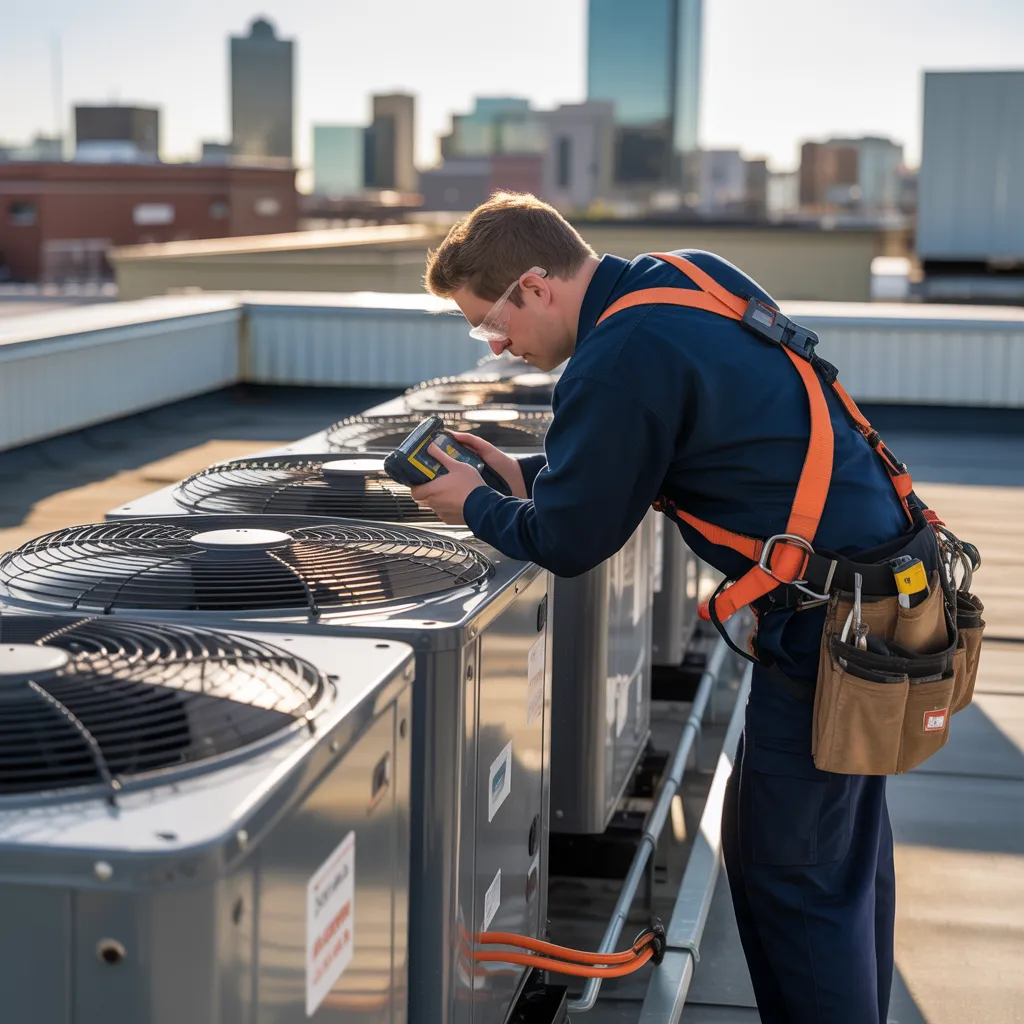
Why a Dependable HVAC Contractor Is Necessary
How essential is it to secure a dependable HVAC contractor? The significance of a seasoned specialist in heating, ventilation, and air conditioning cannot be overstated. A reliable contractor guarantees that systems are properly installed, maintained effectively, and addressed quickly. This dependability directly affects the well-being and safety of a home. With changing temperatures, a functioning HVAC system is essential for indoor air quality and energy efficiency.
Picking the right technician reduces the likelihood of unexpected problems and high-cost repairs. A reliable HVAC contractor will also present skilled recommendations on system picking and cost-saving options, assisting homeowners in making educated determinations. Routine care from a reputable technician lengthens the useful life of the equipment and boosts functioning. Thus, allocating attention to discovering a well-respected HVAC contractor is crucial for preserving a comfortable living atmosphere throughout the year, ultimately furthering the welfare and satisfaction of the family.
Clues You Need to Get in Touch with an HVAC Expert
Home dwellers may discover hints pointing toward the need for professional HVAC assistance. Abnormal noises coming from the system and erratic temperature control are typically telling signs of core issues. Noticing these indicators in a timely manner can prevent additional complications and pricey repairs.
Odd Noises Originating From Unit
Strange sounds emanating from an HVAC system may signal underlying issues that demand immediate attention. Common noises, such as rattling, grinding, or hissing, could indicate loose components, mechanical wear, or refrigerant leaks. A persistent clanking noise might suggest a malfunctioning fan or motor, while squealing could indicate belt problems. Disregarding these noises can lead to more significant damage and costly repairs. Homeowners should not attempt to diagnose or fix these problems themselves, as doing so can worsen the problem. Instead, reaching out to a qualified HVAC professional is essential for a thorough inspection and appropriate resolution. Timely intervention can improve system efficiency and maintain a comfortable indoor environment.
Fluctuating Temperature Regulation
How much more irritating can an HVAC system be when it fails to maintain a stable temperature? Homeowners regularly experience temperature swings, causing discomfort and increased energy costs. This inconsistency can stem from multiple issues, such as a broken thermostat, inadequate insulation, or restricted ducts. If particular rooms feel considerably different compared to others, it may indicate underlying problems requiring professional inspection. Rising energy bills may also suggest operational inefficiencies, spurring deeper scrutiny. Ignoring these signs can lead to further complications and expensive repairs. As a result, when struggling with inconsistent temperature control, it is sensible to call an HVAC expert to restore comfort and efficiency in the home.
Necessary HVAC Options for Homeowners
Homeowners should assess the essential HVAC solutions required to maintain the effectiveness and lifespan of their systems. Maintenance prevention plans, effective system installations, and quick emergency maintenance are vital elements that enhance peak performance. Understanding these solutions can assist homeowners in deciding wisely regarding their HVAC requirements.
Preventive Maintenance Programs
Carrying out preventive maintenance plans is essential for ensuring ideal performance and longevity of HVAC systems. These plans typically include periodic inspections, cleaning, and adjustments, which aid in detecting potential problems before they become costly repairs. By scheduling routine check-ups, homeowners can enhance energy efficiency, reducing utility bills while improving indoor air quality. Technicians often check refrigerant levels, inspect ductwork, and clean filters to maintain peak performance. Furthermore, preventive maintenance can extend the lifespan of HVAC equipment, providing peace of mind and minimizing the risk of unexpected breakdowns. Homeowners who utilize these plans not only benefit from improved comfort but also safeguard their investment in the system, guaranteeing dependable operation throughout the year.
Quick and Efficient System Installations
An effective system installation plays a vital role in boosting HVAC performance and energy savings. Properly positioned HVAC systems deliver superior airflow, minimizing energy demand and cutting utility bills. Professionals evaluate the individual needs of each home, picking equipment that fits size specifications and local climate conditions. They also confirm that ductwork is fastened and weatherproofed, minimizing energy loss. Next-generation innovations, such as smart thermostats, can be added during installation for superior control and efficiency. In addition, sticking to manufacturer guidelines and local building codes during installation guarantees consistent performance and longevity of the system. Ultimately, homeowners experience from enhanced comfort and a lower environmental footprint when dedicating resources in efficient HVAC installations.
Timely Emergency Fixes
Encountering a sudden HVAC failure can be tough, especially during harsh weather situations. Homeowners lean on their heating and cooling systems for ease, making prompt urgent repairs vital. Rapid response times from HVAC professionals can avert further harm and restore performance, alleviating distress.
These experts are skilled at identifying issues promptly, whether it's a broken heating system in winter or a faulty cooling unit in summer. Their expertise ensures that repairs are completed correctly the first time, reducing service interruptions. Additionally, many service providers provide 24/7 services, giving assurance for homeowners. By focusing on quick emergency maintenance, homeowners can maintain a stable indoor environment and protect their investment in HVAC systems.
Choosing the Right HVAC Contractor: Key Guidelines
What steps can property owners take to guarantee they choose the best HVAC contractor suited to their requirements? First, investigating credentials is crucial. Homeowners must confirm permits, insurance, and certifications to confirm the contractor adheres to industry standards. Reading online reviews and requesting recommendations from friends or family can provide insights into a contractor's standing.
Subsequently, acquiring multiple quotes facilitates homeowners to evaluate pricing and services. It is essential to inquire into warranties and guarantees, as quality control can indicate article the contractor's confidence in their work. Additionally, examining the contractor's experience with specific HVAC systems can be useful for distinct requirements.
Communication is indispensable; a skilled contractor will allocate effort to communicate options and respond to concerns explicitly. All in all, appointing a contractor with transparent pricing and without surprise charges can help avoid unforeseen costs. By adhering to these recommendations, homeowners can make prudent decisions and validate their HVAC systems are in able hands.
Why Periodic HVAC Servicing Is Critical
Regular HVAC upkeep plays an critical role in guaranteeing system efficiency and longevity. By scheduling regular check-ups, property owners can identify and resolve potential issues before they escalate into costly repairs. This preventative strategy not only improves system performance but also optimizes energy usage, leading to reduced utility bills.
Moreover, regular maintenance helps improve indoor air quality by ensuring that filters remain clean and components are functioning properly. A well-maintained system runs with less noise and decreases the likelihood of unexpected breakdowns during severe weather situations.
Furthermore, numerous manufacturers require documentation of routine upkeep to copyright guarantee coverage, safeguarding the property owner's financial stake. By emphasizing HVAC maintenance, people can enjoy a comfortable home environment year-round while prolonging the life expectancy of their climate control equipment. In the end, this diligence results in both ease and cost savings in the long run.
Everything You Should Know About HVAC Systems
Understanding HVAC systems is critical for property owners looking for efficient climate control and coziness in their living spaces. HVAC, which stands for heating, ventilation, and air conditioning, includes multiple parts that work together to control indoor temperatures and air quality. Important components consist of the furnace, air conditioner, ductwork, and thermostats, each serving a important function in preserving a pleasant environment.
Homeowners should consider the size and output of their HVAC system to secure peak performance; an larger than needed or smaller than needed unit can result in inefficiencies. Consistently changing out filters and scheduling professional inspections can prevent breakdowns and increase the system's lifespan.
In addition, comprehending energy performance metrics, such as SEER for air conditioners and AFUE for furnaces, can help homeowners make informed decisions when replacing or buying systems. Understanding with these factors enhances a more energy-efficient, comfortable home setting.
Why Reliable HVAC Services Lower Your Expenses
Allocating resources in reliable HVAC services can greatly reduce long-term costs for homeowners. Regular maintenance and prompt repairs promise that HVAC systems run smoothly, which can substantially decrease energy bills. When systems are properly upkept, they operate at top performance, minimizing energy waste and boosting the lifespan of the equipment.
In addition, reputable contractors commonly provide warranties and guarantees on their work, supplying confidence and monetary defense against forthcoming issues. By taking care of small troubles before they get worse, homeowners can bypass expensive emergency work that often happen due to inattention.
Additionally, energy-efficient upgrades advised by trustworthy HVAC professionals can achieve substantial savings over time. These improvements not only improve comfort but also support a reduced carbon output. In sum, working with reliable HVAC services is a strategic decision that ultimately yields monetary rewards while providing a pleasant indoor space year-round.
Frequently Asked Questions
How Do I maximize the fuel economy of My HVAC System?
HVAC system energy efficiency improves with scheduled maintenance, plugging duct leaks, converting to a smart thermostat, using energy-efficient filters, and ensuring proper insulation. These joint efforts optimize efficiency, reduce energy consumption, and lower utility costs.
What Prevalent HVAC System Myths Do You Want to Steer Clear Of?
Avoid these common HVAC falsehoods such as thinking bigger equipment are always better, that regular maintenance isn't important, and that shutting vents boosts efficiency. Understanding these misunderstandings can result in better operation and reduced energy costs.
How Regular Should My HVAC Filter Changes Be?
HVAC filters ought to be renewed every one to three months, according to demand and filter type. Ongoing maintenance guarantees optimal system functionality, refines air quality, and lengthens the lifespan of the HVAC unit.
Understanding the Expected lifetime of Your HVAC System
An HVAC system often lasts between 15 to 25 years, contingent on factors like usage, attention, and quality of installation. Consistent care can extend its lifespan, while neglect may lead to premature failure.
Is putting in an HVAC System something I can do myself?
Setting up an HVAC system independently is achievable for knowledgeable individuals, yet it carries major risks. Correct installation requires technical expertise to guarantee optimal performance and safe operation, making professional assistance a recommended option for maximum efficiency and adherence to regulations.